
Based on a true story.
Ted the chocolate Labrador was a classic representation of his breed: loving, goofy, and totally obsessed with food!
A few days after the Christmas holidays, Ted’s owner, Sophie, returned home from work and was greeted with the unpleasant sight and smell of multiple dog vomit puddles around the living room. Worryingly, these vomit puddles also contained shreds of aluminium foil, chocolate wrappers, and some pieces of chewed-up bone.
Realising what may have happened, Sophie went to the garage and confirmed that at some point, naughty Ted had pulled down a full bin bag that had been left on top of the stuffed rubbish bin. He had then torn it open and scavenged the old Christmas food scraps from inside.
Very concerned, Sophie went to look for Ted. She found him lying on her bed, trembling and looking very out of sorts.
Sophie phoned her regular vet and was recommended to bring Ted straight down for an assessment. In the car, the dog drooled heavily and then did another vomit containing bile and a few more scraps of foil.
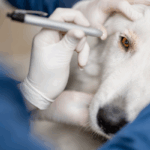
Ted was checked over by the vet, and was found to have moderate abdominal pain, an elevated temperature, and signs of cardiovascular shock (compromised blood flow secondary to dehydration and unwellness). He was also still trembling.
The vet briefly discussed the most likely diagnoses for Ted based on his history and symptoms, which included:
- Gastroenteritis (an inflamed gut) due to eating inappropriate food scraps.
- Pancreatitis (an inflamed pancreas) due to eating fatty foods.
- A gut obstruction from cooked bones or any indigestible rubbish items, which could potentially lead to a puncture in Ted’s gut.
- Garbage toxicity (poisoning from bacterial or mould toxins that can form in spoiled foods).
Despite the chocolate wrappers that had been in Ted’s vomit, chocolate toxicity was deemed unlikely, as Sophie sheepishly admitted that she had eaten all the chocolate herself.
Sophie consented to the recommended next steps for Ted, which included:
- Admission to hospital for initial stabilisation treatment including:
- Intravenous fluids to improve his blood flow and treat his dehydration
- Pain relief
- Anti-nausea medication
- Blood tests to check his organ health and electrolytes
- When Ted was stable enough, abdominal x-rays to screen for evidence of gut obstruction
- Monitoring and management of any worsening tremors
Ted’s blood tests showed evidence of dehydration and electrolyte imbalances (which could be corrected with ongoing intravenous fluids), and some mild liver changes (thought to be secondary to his state of shock and unwellness). His pancreas and other organ tests were normal.
When he was stable enough, Ted underwent sedation for abdominal x-rays. Fortunately, his gut appeared relatively empty (likely due to all the vomiting), and there were no signs of gut obstruction or large foreign bodies. After a discussion with Sophie, the decision was made to proceed with 24-48 hours of further hospital care to treat Ted for likely gastroenteritis or garbage toxicity.
Fortunately, Ted was pretty much back to his normal self by the next afternoon (including being very keen to eat!) and was able to be discharged home with a bland diet and anti-nausea medication.
If your dog “does a Ted” and eats something they shouldn’t, please don’t hesitate to contact our helpful team for advice.